
A Minimally Invasive Treatment for Urethral Stricture
Optilume® Urethral Stricture Treatment
A urethral stricture occurs when scar tissue narrows the urethra, making it difficult for urine to pass. Symptoms can include a weak or slow urine stream, painful urination, difficulty emptying the bladder, frequent urinary tract infections, or increased urinary urgency.
Lakeshore Urology offers Optilume®, a treatment option for adult men with certain anterior urethral strictures.
What is a Urethral Stricture?
A urethral stricture is an obstruction in the urethra that can prevent urine from flowing freely and the bladder from emptying properly. The narrowed passage may make urination difficult or painful.
How Optilume® Works
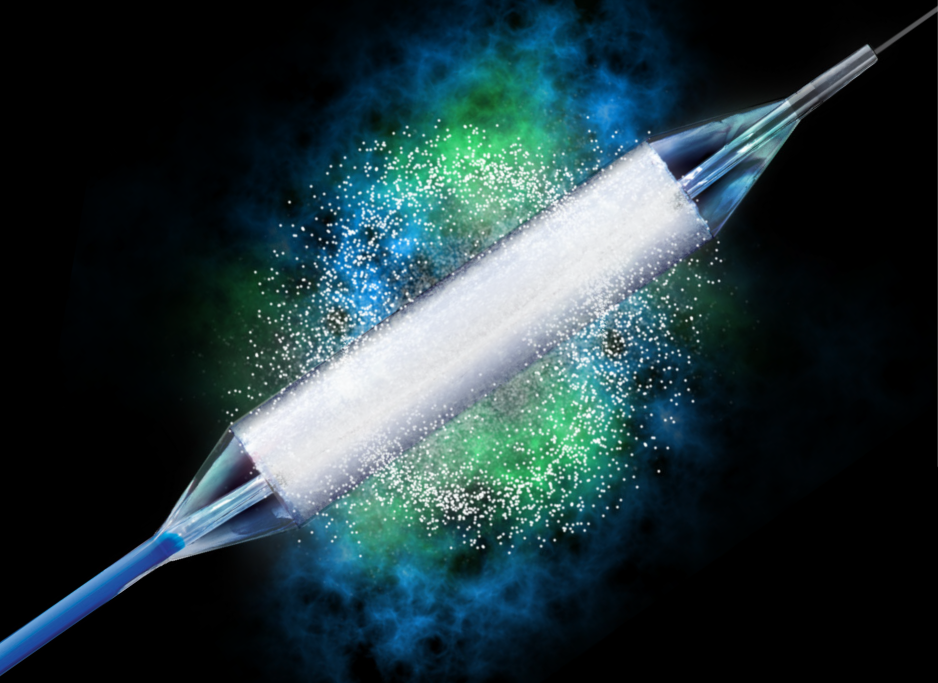
Optilume combines mechanical dilation with local drug delivery. The balloon expands the narrowed area of the urethra while delivering paclitaxel directly to the affected tissue. Paclitaxel helps limit the scar tissue formation that can result in stricture recurrence.

Insertion
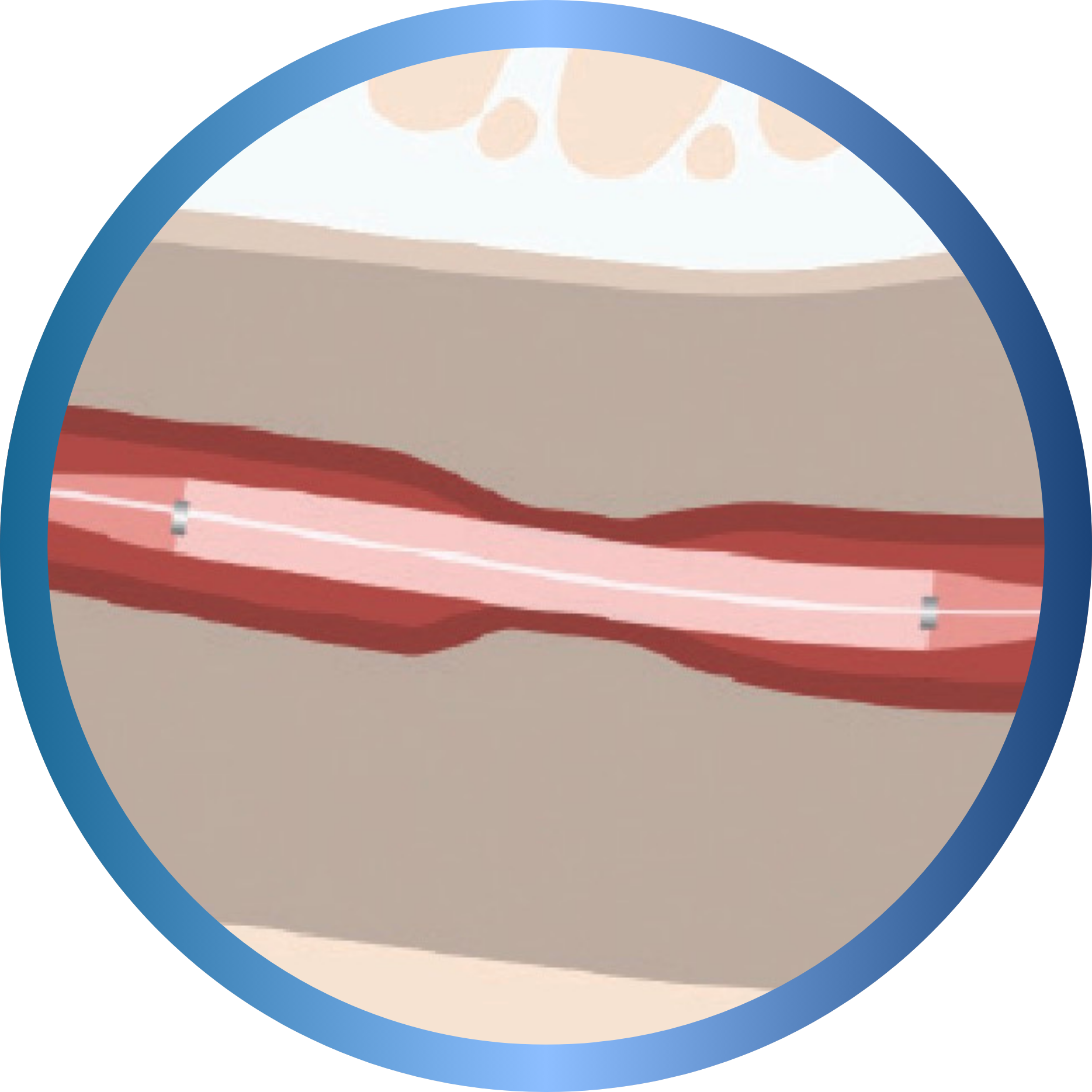
The Optilume balloon is positioned within the narrowed area of the urethra.
Dilation
The balloon expands the narrowed area of the urethra.
Drug Delivery
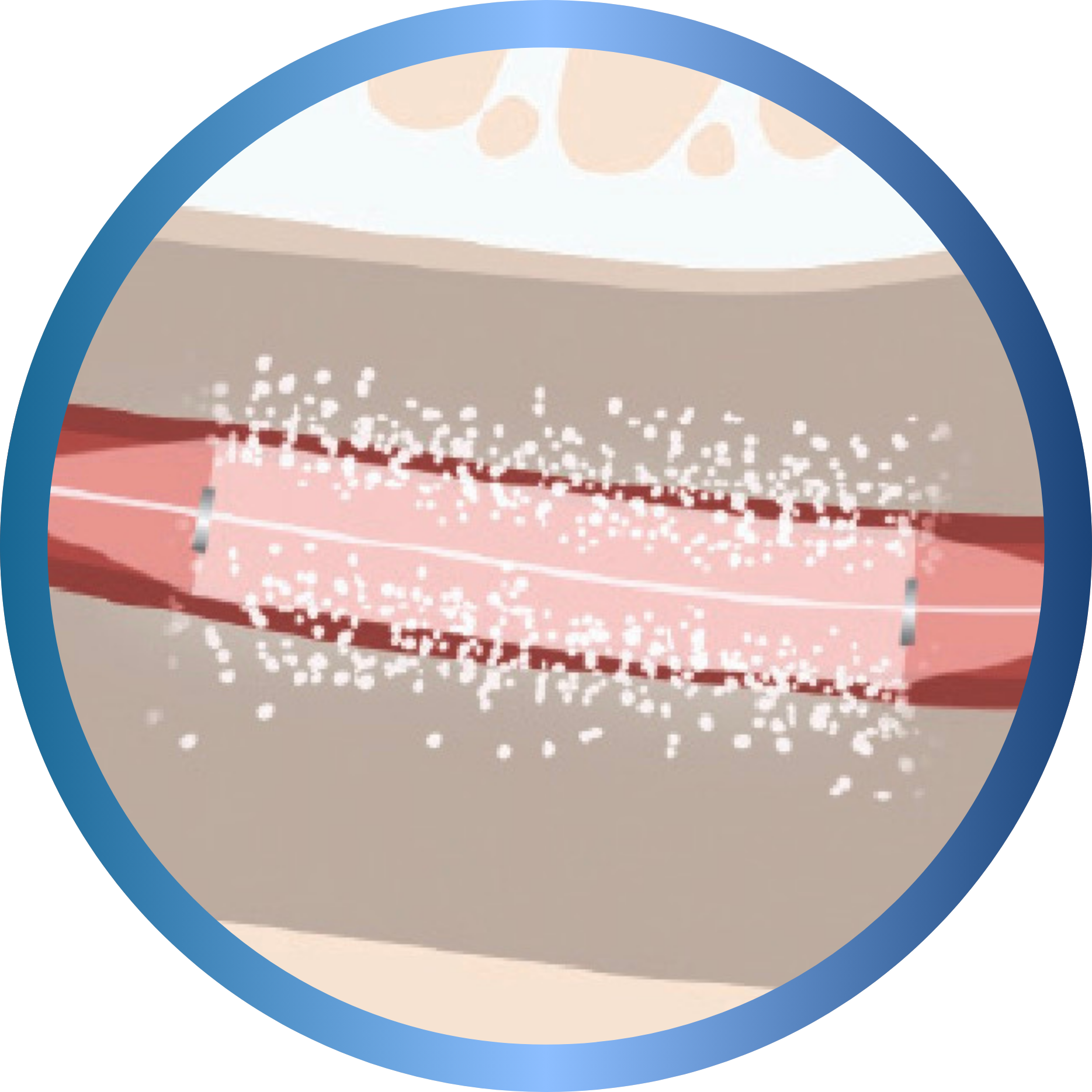
Paclitaxel is delivered directly to the stricture during balloon dilation.

Durability
The localized drug delivery helps limit scar tissue formation associated with stricture recurrence.
Is Optilume® Right for You?
Optilume is indicated for patients with obstructive urinary symptoms associated with anterior urethral stricture. It is designed for use in adult males with urethral strictures ≤3 cm in length.
Your Lakeshore Urology provider can evaluate your condition and determine whether Optilume may be an appropriate treatment option for you.
Manufactured by Urotronic, Inc. Please review the Instructions for Use for a complete listing of indications, contraindications, warnings, precautions, potential adverse events and directions for use. The Optilume DCB is indicated for use in patients with obstructive urinary symptoms associated with anterior urethral stricture. It is designed to be used in adult males for urethral strictures of ≤3cm in length. The Optilume DCB is contraindicated for patients with known hypersensitivity to paclitaxel or structurally related compounds and patients with urologic implants such as penile implants or artificial urinary sphincters. Paclitaxel may be present in semen after treatment with the Optilume DCB. The risks associated with paclitaxel in semen and the impact on sperm and spermatogenesis are unknown. Men should abstain or use a condom for 30 days and men with partners of child-bearing potential should use highly effective contraceptive and avoid fathering children for 6 months after treatment. Monitor for signs of anaphylaxis or hypersensitivity to paclitaxel. Potential risks can include, but are not limited to, the following: blood in the urine (hematuria), painful urination (dysuria), urinary tract infection (UTI), urinary retention, and stricture recurrence.