
Advanced Technology for Minimally Invasive Urologic Surgery
da Vinci® Robotic-Assisted Surgery
Lakeshore Urology offers minimally invasive robotic-assisted surgical options using the da Vinci® surgical system for select urologic procedures.
The da Vinci system combines advanced technology with specialized instruments designed to extend the capabilities of your surgeon’s eyes and hands. Most importantly, your surgeon performs the procedure and remains in control of the system throughout surgery.
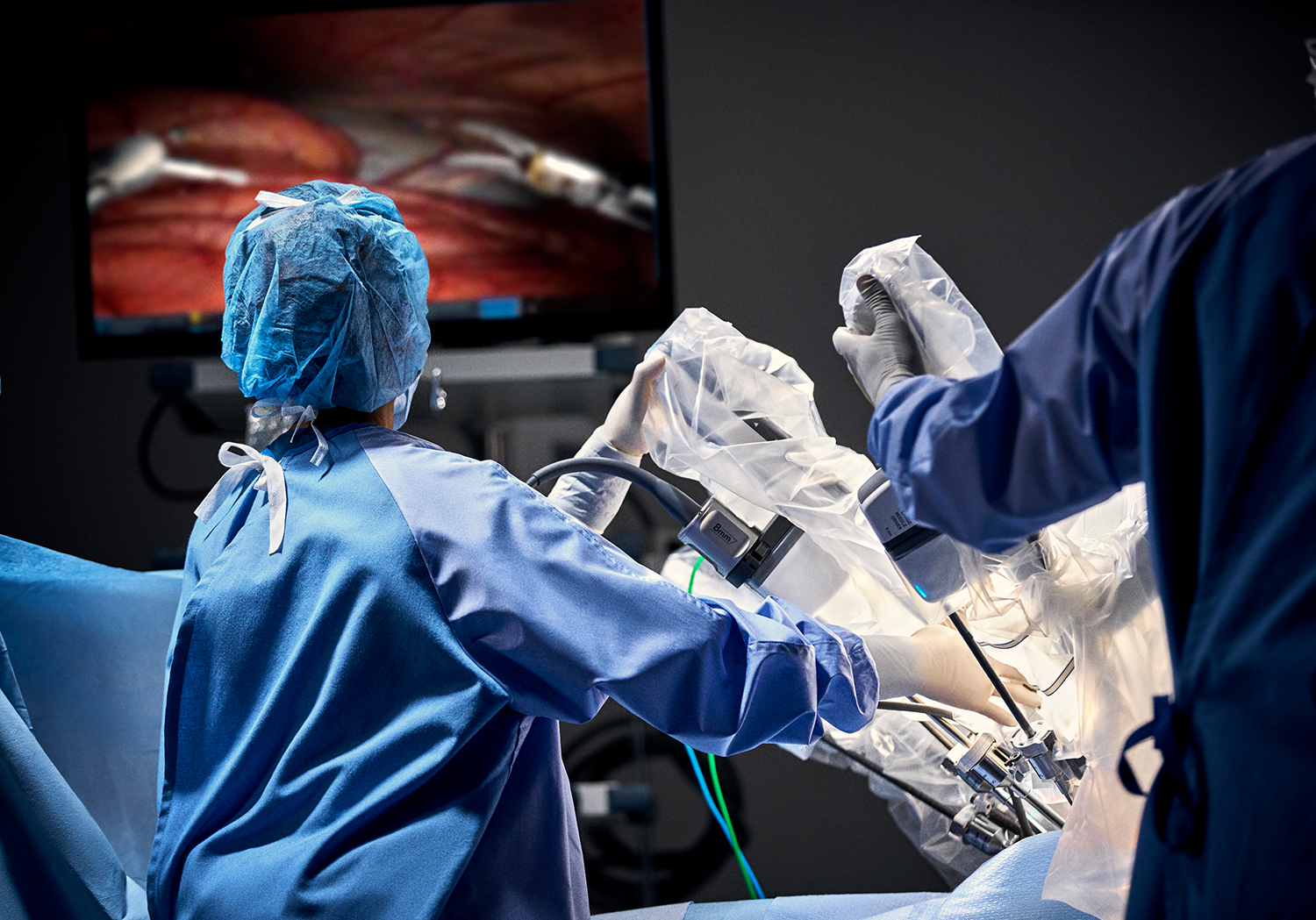
What is da Vinci® Robotic-Assisted Surgery?
Your Surgeon Is Always in Control
The term “robotic” can be misleading. Robots do not perform surgery. Your surgeon performs surgery.
During robotic-assisted surgery, your surgeon controls the da Vinci system from a console in the operating room. The system translates your surgeon’s hand movements in real time, bending and rotating specialized instruments while your surgeon performs the planned procedure.
Enhanced Vision
During a procedure, your surgeon sees the surgical area through a magnified, high-definition 3D view, helping them identify fine details that would be difficult to see otherwise.
Miniaturized Instruments
da Vinci instruments are small enough to fit through incisions just a few centimeters wide. They are designed to bend and rotate in tight or hard-to-reach spaces.
Minimally Invasive Approach
Robotic-assisted surgery is a minimally invasive surgical approach. The da Vinci system allows your surgeon to operate using specialized instruments through small incisions.
How Does the da Vinci® System Work?
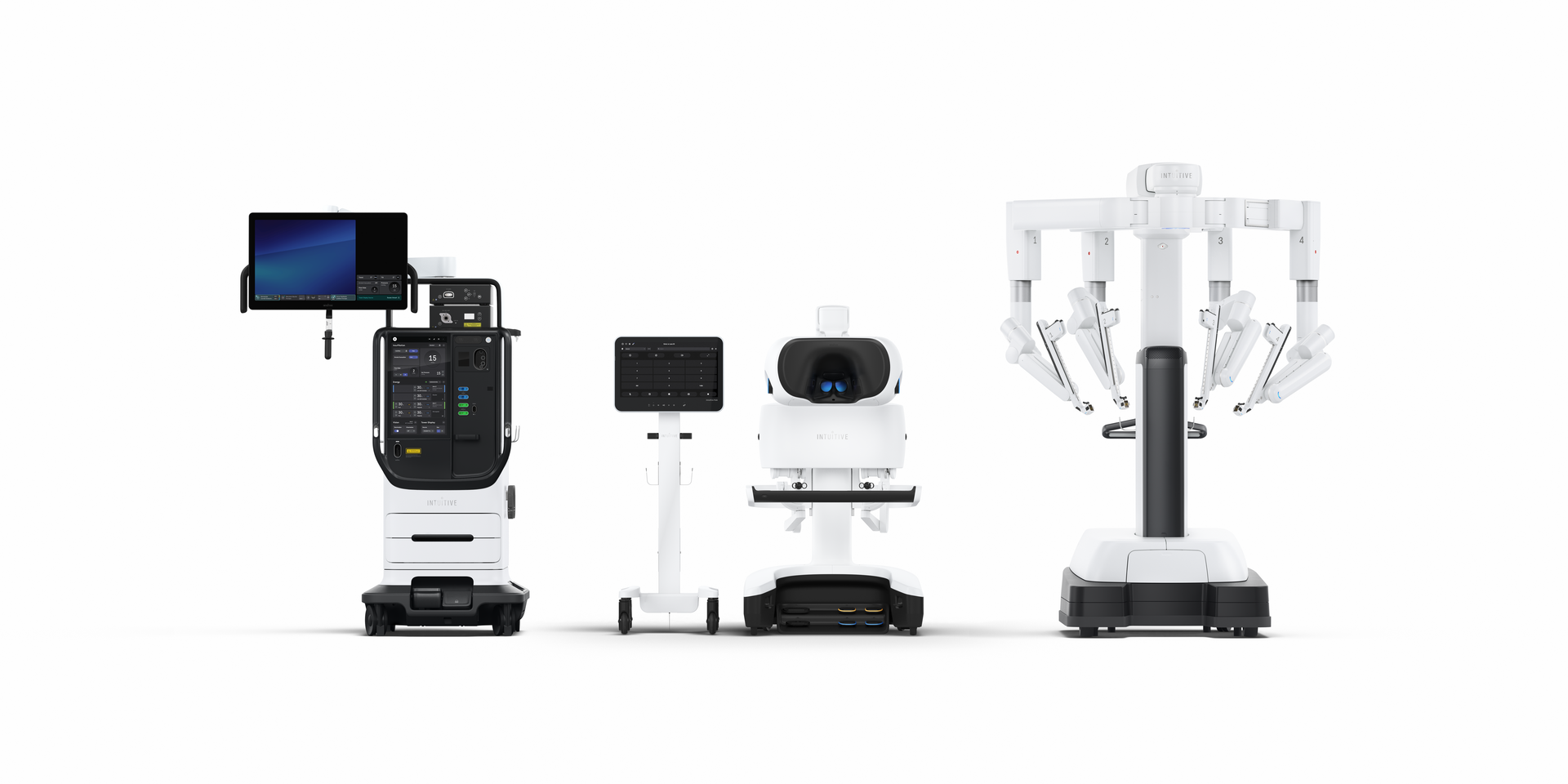
The da Vinci surgical system has three main components:
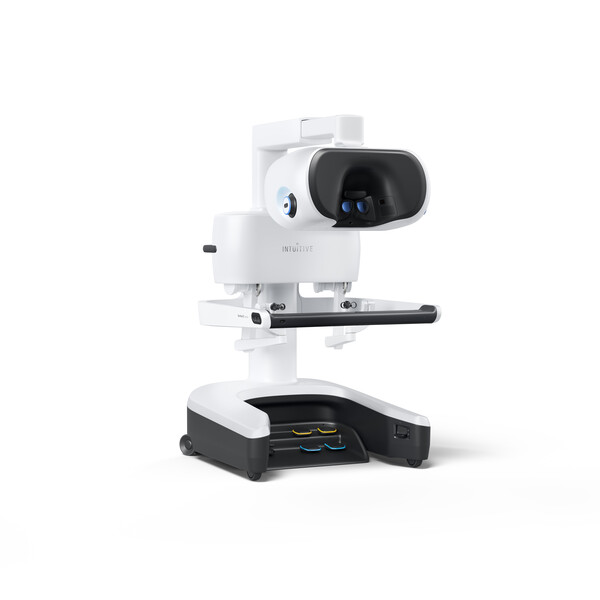
Surgeon Console
The control center where your surgeon sits to perform the operation.
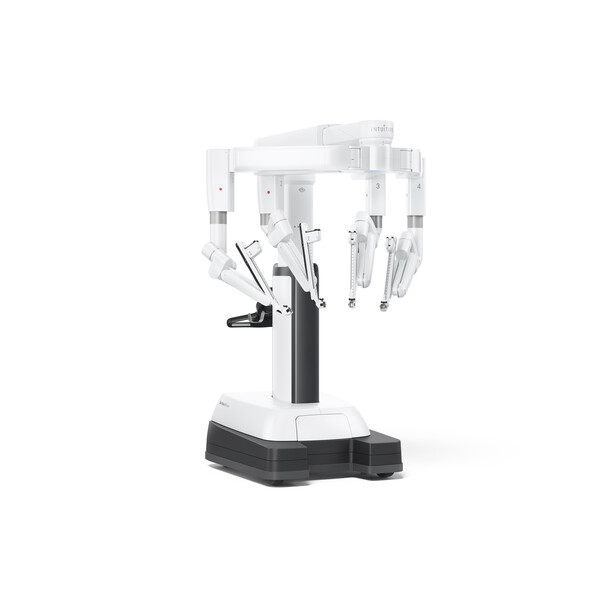
Patient Cart
Holds the camera and surgical instruments controlled by your surgeon.
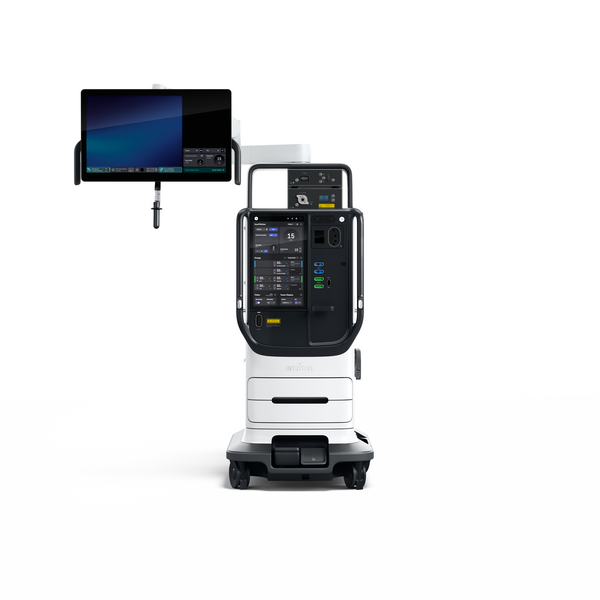
Vision Cart
Manages communication between the system components and provides a screen for the care team to view the operation in real time.
da Vinci® Surgery for Urologic Conditions
Exploring Your Surgical Options
The da Vinci surgical system can be used for urologic procedures including:
- Prostate Surgery
- Kidney Surgery
- Kidney Blockage Surgery
Whether robotic-assisted surgery is appropriate depends on your individual condition. Your Lakeshore Urology physician will discuss available nonsurgical and surgical options, associated risks, and which approach may be appropriate for you.
Advanced da Vinci® Technology
Lakeshore Urology surgeons perform procedures at an institution with access to da Vinci Xi® systems and the da Vinci 5® surgical system.
The da Vinci 5 surgical system builds upon established da Vinci technology, including wristed instruments, 3DHD visualization, intuitive motion, and ergonomic design.
As with all da Vinci surgical systems, the surgeon remains in control of the robotic-assisted system, which translates the surgeon’s hand movements into smaller movements of instruments inside the patient’s body.
What to Expect with da Vinci® Surgery
Preparing for Robotic-Assisted Surgery
Day of Surgery
On the day of surgery, your surgeon and care team will review your procedure and answer questions you may have.
During the Procedure
During the procedure, your surgeon remains in the operating room and controls the da Vinci system while viewing the surgical field with the system’s camera.
After Surgery
After surgery, your care team will move you to a recovery room, where you will stay until you wake up. Your surgeon and care team will provide instructions specific to your procedure and recovery.
Frequently Asked Questions
Does the robot perform my surgery?
No. Your surgeon performs the surgery. The da Vinci system translates your surgeon’s hand movements at the console in real time into movements of the instruments used to perform the procedure.
How is robotic-assisted surgery different from open surgery?
In open surgery, a surgeon operates through an incision large enough to see the surgical area and uses handheld instruments.
Robotic-assisted surgery is a minimally invasive approach that uses the specialized instruments and technology of the da Vinci surgical system.
How is robotic-assisted surgery different from laparoscopic surgery?
During conventional laparoscopic surgery, surgeons operate through small incisions using long handheld instruments while viewing magnified images from a laparoscope on a video screen.
During da Vinci robotic-assisted surgery, your surgeon controls specialized instruments using the da Vinci surgical system.
Is da Vinci robotic-assisted surgery right for everyone?
Every patient is different. Talk with your urologist about your condition, available nonsurgical and surgical options, associated risks, and whether robotic-assisted surgery may be appropriate for you.
Talk to Your Lakeshore Urology Physician About Your Surgical Options
If you have been diagnosed with a urologic condition that may require surgery, your Lakeshore Urology physician can help you understand your options and determine which surgical approach may be appropriate for you.
Important Safety Information
Patients should talk to their doctor to decide if surgery with a da Vinci system is right for them. Patients and doctors should review all available information on nonsurgical and surgical options and associated risks in order to make an informed decision.
Serious complications may occur in any surgery, including surgery with a da Vinci system, up to and including death. Examples of serious or life-threatening complications include injury to tissues or organs, bleeding, infection, and internal scarring that can cause long-lasting dysfunction or pain.
Risks specific to minimally invasive surgery, including surgery with a da Vinci system, include temporary pain or nerve injury associated with positioning, longer operative time, the need to convert to an open approach, or the need for additional or larger incisions. Converting the procedure could result in longer operative time, longer time under anesthesia, and increased complications.
Individual outcomes may depend on several factors, including patient characteristics, disease characteristics, and surgeon experience.
For additional important safety information, including surgical risks and considerations, visit intuitive.com/safety.
da Vinci® and related product names and logos are trademarks or registered trademarks of Intuitive Surgical or their respective owners.