
ADVANCED TREATMENT FOR ENLARGED PROSTATE
Aquablation® Therapy with the HYDROS® Robotic System
A personalized approach to treating an enlarged prostate.
Lakeshore Urology offers Aquablation® therapy using the advanced HYDROS® Robotic System, a minimally invasive surgical treatment for benign prostatic hyperplasia (BPH), commonly known as an enlarged prostate.
By combining real-time imaging, personalized treatment planning, and robotic-assisted waterjet technology, Aquablation therapy is designed to relieve urinary symptoms while reducing the risk of certain treatment-related side effects.
Understanding BPH
When an Enlarged Prostate Interferes with Everyday Life
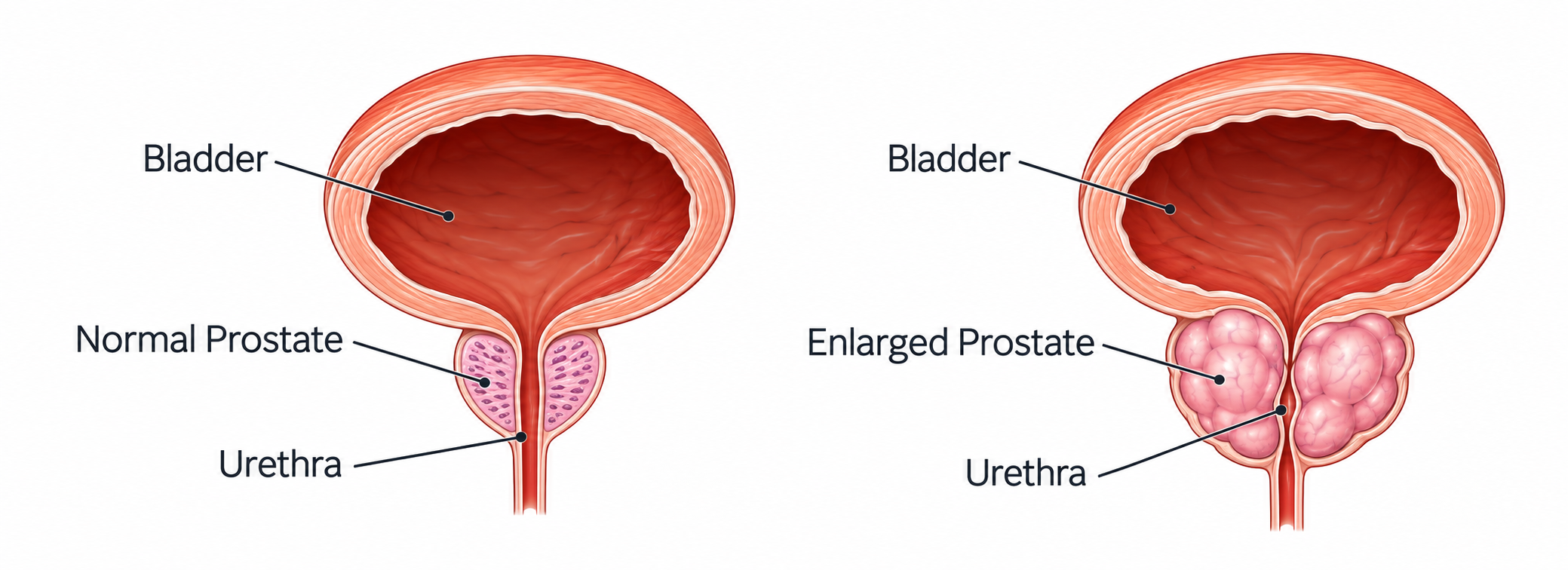
Benign prostatic hyperplasia (BPH) is a common, noncancerous enlargement of the prostate gland. As the prostate grows, it can press against the urethra, restricting urine flow and causing bothersome urinary symptoms.
Common symptoms of BPH include:
-
Frequent urination, especially at night
-
Difficulty starting urination
-
Weak or interrupted urine stream
-
Sudden or urgent need to urinate
-
Difficulty emptying the bladder completely
-
Straining during urination
While medications may help manage symptoms, they do not provide adequate relief for everyone. For men with persistent or bothersome symptoms, Aquablation therapy may offer an effective surgical treatment option.
How Aquablation® Therapy Works
Advanced Technology. Personalized Treatment.
Aquablation therapy is a minimally invasive surgical procedure that uses real-time imaging and a robotically controlled, heat-free waterjet to remove prostate tissue causing urinary obstruction.
The procedure is planned and performed under the direction of a urologic surgeon, combining precise treatment planning with robotic-assisted technology.
01 — VISUALIZE
Advanced imaging allows the surgeon to see the prostate and surrounding anatomy in real time.
02 — PLAN
The surgeon creates a personalized treatment plan to identify the tissue to be removed while accounting for important surrounding structures.
03 — TREAT
A robotically controlled, heat-free waterjet removes the targeted prostate tissue according to the surgeon’s treatment plan.
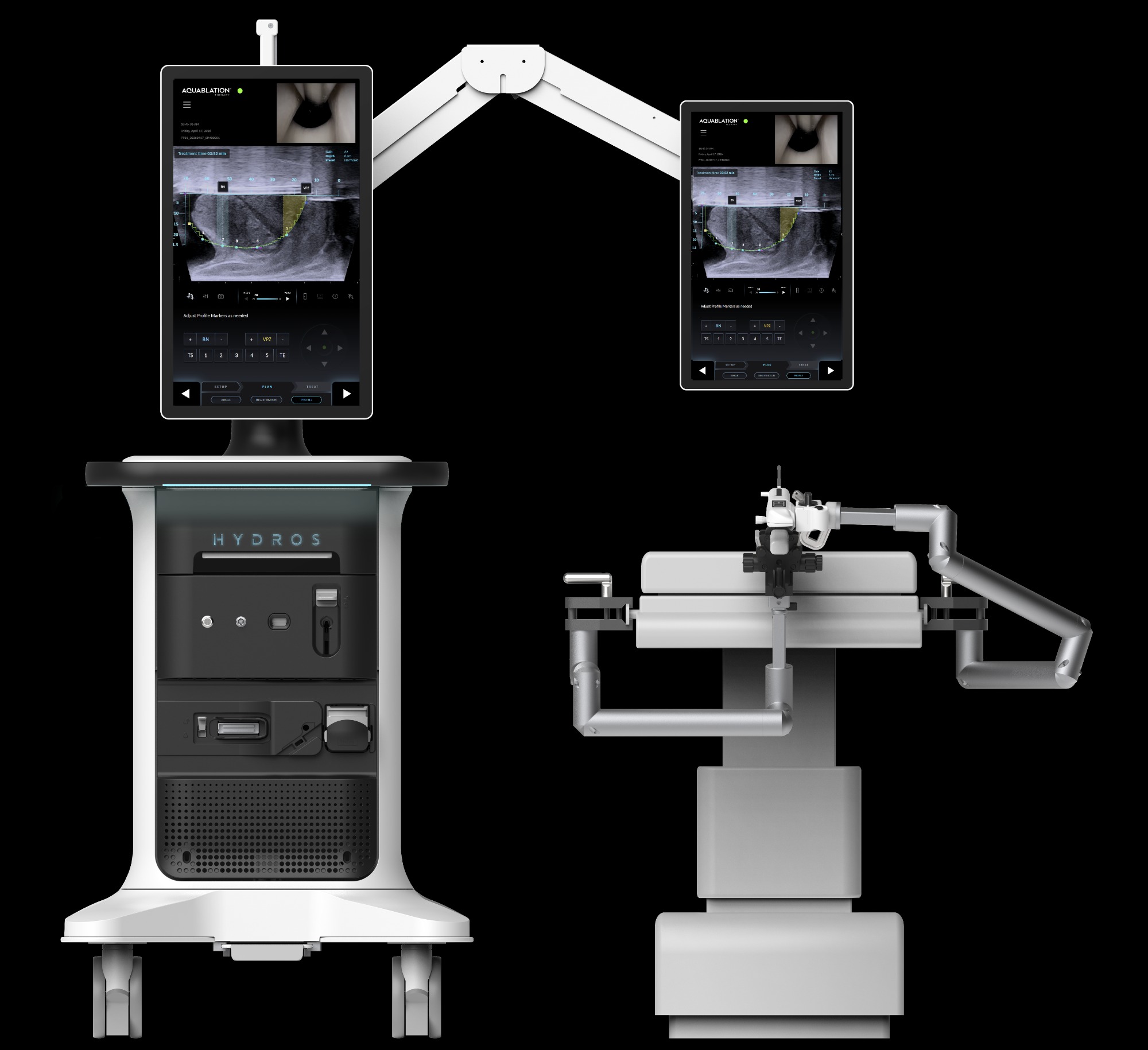
Introducing the HYDROS® Robotic System
Lakeshore Urology offers Aquablation therapy using the HYDROS Robotic System, a next-generation robotic platform designed specifically for the treatment of BPH.
HYDROS combines advanced image guidance, AI-assisted treatment planning, and robotic-assisted technology to support a personalized surgical approach.
The system incorporates FirstAssist AI®, which helps identify important anatomical structures and assists the surgeon in developing a treatment plan tailored to the patient’s prostate.
By combining detailed visualization with controlled waterjet tissue removal, HYDROS is designed to help surgeons treat urinary obstruction while protecting surrounding anatomy important for urinary control and sexual function.
Benefits of Aquablation® Therapy
Effective Symptom Relief with Quality of Life in Mind
Aquablation therapy offers an advanced treatment option for men experiencing bothersome urinary symptoms caused by BPH. Clinical studies have demonstrated meaningful and sustained symptom improvement, with low rates of certain long-term complications.

Lasting Urinary Symptom Relief
Clinical studies have demonstrated sustained improvement in urinary symptoms and flow, including results reported through five years.
Preservation of Important Functions
The procedure is designed to reduce the risk of injury to structures involved in urinary control and sexual function. Side effects can still occur.
Personalized Treatment Planning
Real-time imaging helps the surgeon tailor treatment to each patient’s unique prostate anatomy.
Minimally Invasive Approach
Aquablation therapy is performed through the urethra without an external surgical incision.
What to Expect After Aquablation® Therapy
The Procedure
Aquablation therapy is performed in a hospital under anesthesia. Following the procedure, a temporary urinary catheter is typically placed to allow the bladder to drain while the treated area begins to heal.
Hospital Stay
Patients may require an overnight hospital stay, depending on their individual circumstances and their surgeon’s recommendations.
Recovery
During recovery, temporary symptoms such as blood in the urine, burning with urination, increased urinary frequency, or urgency may occur.
Follow-Up Care
Recovery times vary. Your Lakeshore Urology physician will provide specific instructions regarding catheter removal, medications, activity restrictions, and follow-up appointments.
Frequently Asked Questions
Who is a candidate for Aquablation therapy?
Men experiencing bothersome urinary symptoms caused by benign prostatic hyperplasia (BPH), or an enlarged prostate, may be candidates for Aquablation therapy. Your urologist will evaluate your symptoms, prostate anatomy, medical history, and treatment goals to determine whether the procedure is appropriate for you.
Is Aquablation therapy performed without an incision?
Yes. Aquablation therapy is performed through the urethra, without an external surgical incision.
How is HYDROS different from traditional BPH surgery?
The HYDROS Robotic System combines real-time imaging, AI-assisted treatment planning, and robotic-assisted, heat-free waterjet technology to remove obstructing prostate tissue. Unlike procedures that use heat to remove prostate tissue, the Aquablation waterjet itself does not use heat. However, other steps of the procedure may involve cautery to control bleeding.
Will Aquablation therapy affect sexual function?
Aquablation therapy is designed to reduce the risk of damage to structures important for sexual function. Clinical studies have reported low rates of certain sexual side effects, but changes in ejaculation or erectile function can still occur. Your urologist can discuss your individual risks before treatment.
How long does recovery take?
Recovery varies by patient. A temporary urinary catheter and an overnight hospital stay may be necessary. Some patients experience temporary urinary discomfort, urgency, or blood in the urine during recovery. Your surgeon will provide instructions about returning to work, exercise, and normal activities.
Find Relief from Enlarged Prostate Symptoms
If urinary symptoms are affecting your quality of life, Lakeshore Urology can help you explore your treatment options. Schedule a consultation to learn whether Aquablation therapy with the HYDROS Robotic System may be right for you.
Important Safety Information
All surgical treatments have inherent and associated side effects. The most common side effects are mild and transient and may include mild pain or difficulty when urinating, discomfort in the pelvis, blood in the urine, inability to empty the bladder or a frequent and/or urgent need to urinate, and bladder or urinary tract infection. Other risks include ejaculatory dysfunction and a low risk of injury to the urethra or rectum where the devices gain access to the body for treatment. No claim is made that the AquaBeam Robotic System will cure any medical condition, or entirely eliminate the diseased entity. Repeated treatment or alternative therapies may sometimes be required.
Aquablation therapy is performed by urologists. Patients should talk to their doctor to determine if Aquablation therapy is right for them. For complete safety information, visit aquablation.com/safety-information.
AQUABLATION, HYDROS, PROCEPT BioRobotics, and the PROCEPT BioRobotics logo are trademarks and/or registered trademarks of PROCEPT BioRobotics Corporation.